English
 Deutsch
 Français
 Español
 Nederlands

Table Of Contents
During the 21st Century, we are discovering as a collective the depth and breadth of narcissism in our world. We now find traces of it in our relationships, our friendships, our workplaces, even our families.
The ‘superficial, self-absorbed’ definition of the disorder has proven to be only the tip of the iceberg. Beneath the surface, an entire microcosm of dysfunctional behaviour has been revealed. Borderline, histrionic, psychopathy, codependency, paranoia and more have proven to be intrinsically linked to narcissism.
From Epidemic And Beyond
Narcissism is not a new phenomenon. It is a design feature of humanity, not an aberration. What is new is our understanding of its deeper dynamics. Another 21st-century aspect of narcissism is that it is mutating, having been given immense space to spread in a modern, globalised social environment.
Earlier, narcissism was endemic to the tribe or family, where a particular patriarch or matriarch held the dominant position in the hierarchy. When tragedy struck in the form of invasion, conflict, natural disaster or famine, the tribe became traumatised. To compensate for a collapse of the True Self, members of the tribe developed personality disorders such as borderline, psychopathy and narcissism. Authenticity and empathy were lost, while ego and manipulation reigned.
Meanwhile, the tribe leaders maintained their positions. Yet they found relief by projecting their illness onto lower-ranking members, abusing them emotionally, physically or even sexually in the process. You see this today in narcissistic families, many of whom carry intergenerational trauma and continue to exhibit symptoms of mental illness.
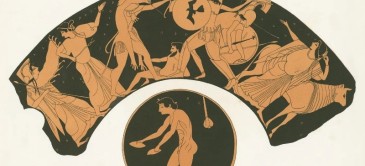
Over the centuries, tribes merged into civilisations, and positions of dominance grew more powerful and consequential. The Roman Empire is a classic example of psychopathy, narcissism and corruption, where megalomaniacal emperors such as Caligula and Nero carried out heinous acts on their people with no accountability.
Nonetheless, the ruling class was historically always a minority, and empires had a lifespan. It was not until recently that the quality of life of the majority surpassed even the emperors of old, and opportunities for power and independence spread like wildfire.
The Modern-Day Hero’s Journey
Fuelled by the Renaissance, the French Revolution and the Industrial Revolution, western society has declared the individual to be king or queen. Carl Jung went further by popularising the process of actualisation, where a person separates from their tribe in the hope of exploring their authentic Self. By stepping out of the shadow of a family or community which they felt held them back, the modern person hopes to flower unobstructed into who they were born to be.
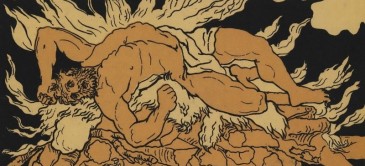
This process has been documented throughout history in the form of the mythological hero’s journey, where the protagonist leaves their home, descends into the underworld, faces countless challenges and demons, and then returns having been enlightened and transformed.
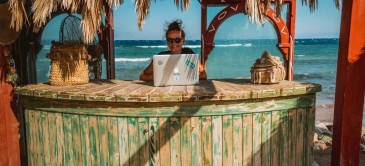
However, the modern heroic journey does not include sword fights and life-threatening situations. Rather it might entail travelling the world, psychedelics, meditation, therapy, entrepreneurship, healing modalities and other methods of inner freedom and discovery.
With unprecedented levels of wealth, technology and security, humans no longer rely on a small tribe for their survival and connection needs. A person can spend months or even years away from their family or community, meeting people from all walks of life. To top it all off, social media allows a person to develop an entire virtual life by building an influencer brand and connecting with people everywhere at any time. Meanwhile, they bring the narcissism virus with them, ready to spread it out into the world.
A Pandemic Of Narcissism
A person who grows up in a narcissistic family suffers greatly under the pressure of their dysfunctional tribal structure. When a family is codependent and mentally ill, nobody is immune to traumatisation. Narcissism and toxic shame can spread rapidly throughout every social group — just like any virus.
Meanwhile, the modern Western world is geared toward two things: Consumerism and individualism. People flock to cities and live independent lives. Furthermore, corporations encourage the fragmentation of the family unit, as a person socially isolated from tribe is haunted by the emptiness of not belonging. As a result, the person is far more vulnerable to the treadmill of consumerism, left trying to fill an endless void with product after product.
Earlier, the tribe had a courtship process, and a person was initiated into their community before moving into family life. Now, online dating and one-night stands are creating a hit-and-quit mindset. With the limitless choice of people to date in cities and online, ‘settling for less’ is becoming a less desirable option.
Hiding within anonymity and with no accountability to their community, a person can develop a relationship and then ghost the other whenever they please. Also, because dating strangers is now common, a person has no idea what lurks within the other’s shadow. This leads to a further erosion of trust, increased paranoia and re-traumatisation, as the chances of being exploited by narcissists and psychopaths increase dramatically. Riddled with anger at an unjust world, the abused person then slides further down the scale and grows more psychopathic and narcissistic themselves. It is a downward spiral into relational hell.
Traditional bastions of community and tribe do remain in the West, yet they are being severely tested. Even traditional regions such as Africa, the Middle East and Asia are being impacted by the West, which looks to mould the planet in its image, conditioning the masses to fragment and consume.
Many ethnic families move to the West, looking to escape wars or seek out better economic conditions. Their offspring are then left torn apart by the opposing pressures of modernity and the lofty expectations of their traditional families.
All of this is now coming to a head, as humans are no longer bound by traditional structures such as villages, monogamy and family. With limitless choice and a society geared toward infinite economic growth and self-development, the conditions are ripe for the virus of narcissism to spread.
Those without a family background of mental illness may simply lose touch with tradition and grow corrupted by their power. This is further compounded by social media, which creates ‘high status’ figures who induce shame in the masses with their photoshopped impossible standards and narcissistic pursuit of clicks, money and attention.
Others leave their dysfunctional and disordered family environment and then get lost in modernity, turning to selfish and psychopathic behaviour.Such people are dissociative, delusional and acting from a trauma response. They get sucked into a sea of promiscuity, fantasy, online dating, the pursuit of online fame, drugs and endless chaos.
A Return To Tradition
The Western world is not going back to tradition. Pandora’s box is open. We have come too far. However, tradition remains a useful source of nourishment and structure.
Those who leave their community and family dysfunction may not only discover chaos and destruction, but also insight and transformation. The ‘death’ of their former self allows the emergence of a phoenix rising from the ashes. To be free of a sick and rigid structure allows a person to peel off the layers and get to the core of who they are. With enlightenment comes inner peace, self-knowledge and more robust boundary setting. Yet a person who breaks free cannot survive long without a sense of home. Faith, family and structure are necessities for all humans.
While ethnic and traditional people can find inspiration from a progressive West, the West can also learn to temper itself through tradition. Those who have transformed and awakened, who left their dysfunctional past and chose the hero’s journey, can return home and share their gifts. They can set boundaries and live on their own terms while leading by example. Rather than play saviour or throw their noses up at everyone, they can simply be themselves without shame or excuses.
In return, their tribe can provide belonging and structure, even when it is burdened by trauma and illness. In many cases, it can be an opportunity to discover humility, empathy, humanity, healing and a deeper understanding of where one came from. Those tribes whose illness has become terminal may no longer offer this. But many do, and remain good at their core.
The only other option is to continue to feed the pandemic of narcissism spreading throughout the world. To remain structureless, grandiose and insatiable. How sustainable this solution is remains to be seen.